 ICNGIS 2026
ICNGIS 2026
ICNGIS 2026
Challenges and Intelligent Solutions for Next-Generation Systems
The Conference theme focuses on evolving sustainable and intelligent solutions viable for the next generation systems to overcome the challenges faced by the industry and society.
19–21 November 2026
Rajiv Gandhi Institute of Technology, Kottayam
Technically Co-sponsored by


The Third International Conference on Next Generation Intelligent Systems (ICNGIS 2026) is being organized by Rajiv Gandhi Institute of Technology (RIT), Kottayam, Kerala, India. The conference is technically co-sponsored by the IEEE Kerala Section and the IEEE Industry Applications Society (IAS).
The first edition of ICNGIS was held in 2016 as part of the Silver Jubilee celebrations of the institute, followed by the second edition in 2022.
ICNGIS 2026 aims to provide a vibrant intellectual forum for researchers, academicians, and industry professionals to exchange expertise and share innovative ideas to address challenging research problems in emerging areas related to intelligent systems. The conference offers participants an opportunity to present their research findings, discuss recent advancements in analytical, numerical, and experimental techniques, identify key trends and challenges shaping future research, and foster effective collaboration in research and development (R&D).
The conference program includes invited lectures and technical sessions. Eminent academicians, industry experts, and researchers from leading national and international institutions and R&D organizations will deliver keynote addresses and chair technical sessions.The organizing committee has initiated the best effort possible for the publication of selected papers in international journals.
Connecting researchers globally
High-quality research standards
Industry and academia collaboration
Distinguished speakers sharing insights on next-generation intelligent systems
Rajiv Gandhi Institute of Technology (RIT), named after the late Prime Minister Rajiv Gandhi, began functioning in 1991. The institute is owned and managed by the Government of Kerala and is one of the leading institutions for higher engineering education in the state.
RIT is affiliated with APJ Abdul Kalam Technological University (KTU), Kerala, and is recognized by the All India Council for Technical Education (AICTE). The institute offers 6 Bachelor of Technology (B.Tech) programmes in 5 departments, a Bachelor of Architecture (B.Arch) programme, Master of Technology (M.Tech) programmes in twelve specializations, a Master of Computer Applications (MCA) programme, and Ph.D. programmes in various disciplines..
The institute is equipped with state-of-the-art facilities to support high-end research and advanced academic activities. RIT offers doctoral programmes and is also an approved Quality Improvement Programme (QIP) Centre. Over the years, the institute has emerged as a centre of excellence in technical education in Kerala, owing to the dedicated efforts of its faculty and staff. The institute has received several awards and recognitions for its research-centric initiatives and other academic accomplishments..
Situated in a scenic and picturesque environment, the RIT campus provides an atmosphere that is highly conducive to learning and professional growth. The aesthetically designed buildings, well-equipped laboratories and workshops, and a team of highly qualified faculty members together create an ideal platform for nurturing future technocrats
The third edition of International Conference on Next Generation Intelligent Systems (ICNGIS 2026) is organized by Rajiv Gandhi Institute of Technology, Kottayam, Kerala, India, which is technically co-sponsored by IEEE Kerala Section and financially sponsored by Directorate of Technical Education Kerala (DTE).
Original research articles pertaining to the various areas of next generation intelligent systems are solicited. Topics include but are not limited to:
Length of the paper should be limited to a maximum of 6 pages in IEEE double column format. All papers will be peer reviewed and the review comments will be communicated to the authors. At least one author should register for the conference. The proceedings of ICNGIS 2026 will be submitted for inclusion in the IEEE Digital Library Xplore©.
For an accepted paper to be included in the conference proceedings and submitted to IEEE Xplore®, the following conditions must be met:
Before paper submission, the authors are requested to go through the IEEE paper submission policies available in this link: https://conferences.ieeeauthorcenter.ieee.org/author-ethics/guidelines-and-policies/submission-policies/
```Specific instructions regarding camera ready submission to ICNGIS 2026 are as follows:
An appropriate copyright notice has to appear at the bottom of the first page, left column, about 0.5 cm below the left column, and it should be aligned to the left with the same left margin as the column. It is also possible to replace the copyright notice in the camera-ready paper template. The copyright notices are as follows:
For papers in which all authors are employed by the US government, the copyright notice is: U.S. Government work not protected by U.S. copyright
For papers in which all authors are employed by a Crown government (UK, Canada, and Australia), the copyright notice is: 979-8-3195-2457-7/26/$31.00 ©2026 Crown
For papers in which all authors are employed by the European Union, the copyright notice is: 979-8-3195-2457-7/26/$31.00 ©2026 European Union
For all other papers the copyright notice is: 979-8-3195-2457-7/26/$31.00 ©2026 IEEE
Please choose the correct copyright notice applicable to you.
If you are using LaTeX IEEEtran class, the following script must be placed before the
\begin{document} statement, which may be helpful to insert the copyright notice in the adequate place.
Please note that the code is not tested with all LaTeX software versions.
        \IEEEoverridecommandlockouts

        \IEEEpubid{\makebox[\columnwidth]{ 979-8-3195-2457-7/26/$31.00 ©2026 IEEE \hfill}

        \hspace{\columnsep}\makebox[\columnwidth]{ }}
After revising your paper, pass it through PDF eXpress using conference ID: 71873X at the following URL: PDF eXpress. If you do not have an account, click on the link “Create Account” and provide your information (email address and password).
The certified acceptable file that you receive from the PDF eXpress will be given a filename in the form 0123456.pdf. Please rename this PDF file to conform to the following naming convention: PIDXXXX.pdf, where XXXX is the paper ID of your paper in Microsoft CMT. For example, if the CMT paper ID is 10, the file received from PDF eXpress should be renamed to PID0010.pdf.
After Step 4, submit the paper through the author console in CMT. Please note that you are expected to retain the original paper’s title in the final version, and the author list and order cannot be changed in the final manuscript.
IMPORTANT: Ensure that all authors have registered in CMT with their correct names and contact emails. IEEE e-copyright takes information from CMT, and any discrepancies with the names mentioned in the paper may result in the submission being removed from the conference publication and not uploaded to IEEE Xplore. Submitting e-copyright is a one-time process and cannot be corrected. For corrections, authors must contact IEEE directly; the conference cannot assist in this regard.
After uploading the final camera-ready paper (which must have passed PDF Check in IEEE PDF eXpress), click on the ‘Submit IEEE Copyright Form’ link to access the IEEE Copyright Form Submission CMT page. When you click on the IEEE copyright website link, you will be redirected to the IEEE eCF site to submit the copyright form. After completing the IEEE Electronic copyright form and copyright agreements, you will have the option to download the completed IEEE Copyright Form (the corresponding author will also receive the copyright form via email). Please upload it to the same page in CMT or use the ‘drop files here’ menu. The corresponding author may submit the copyright form for all the authors of the paper.
More details can be found here.
```"The Microsoft CMT service was used for managing the peer-reviewing process for this conference. This service was provided for free by Microsoft and they bore all expenses, including costs for Azure cloud services as well as for software development and support."
Full Fee Registration: Includes access to plenary sessions, all conference sessions, a registration kit, lunches for three days, coffee breaks, a gala dinner, and inclusion of presented papers in IEEE Xplore.
Co-Author and Non-Author Registration: Includes access to plenary sessions, all conference sessions, a registration kit, lunches for three days, coffee breaks, and a gala dinner.
Students must submit valid proof of their status (a copy of a student ID card or a letter from their institution or program director) via email during registration and payment. Registration will only be confirmed after verifying the submitted proof.
| Category | Early-bird IEEE Members | Early-bird Non-IEEE Members | Regular IEEE Members | Regular Non-IEEE Members |
|---|---|---|---|---|
| Indian Authors | ₹5000 | ₹6000 | ₹6000 | ₹7000 |
| Foreign Authors | USD 200 | USD 250 | USD 250 | USD 300 |
| Co-Author/conference Attendees (Student) | ₹2000 | ₹3000 | ₹2500 | ₹3500 |
| Co-Author/conference Attendees (Professional) | ₹3000 | ₹3500 | ₹3500 | ₹4000 |
Please make the registration fee payment to the following account and keep the transaction receipt for verification during registration.
| Customer ID | 00000092494061986 |
| Account Number | 00000045374583810 |
| Home Branch | PAMPADY |
| Branch Address | PAMPADY (13665), MALLEEKADUPPIL BLDGS, PAMPADY P. O., KOTTAYAM – 686502 |
| IFSC Code | SBIN0013665 |
| Branch Contact |
Email: [email protected] Phone: 9188936529 Mobile: 9447351350 |
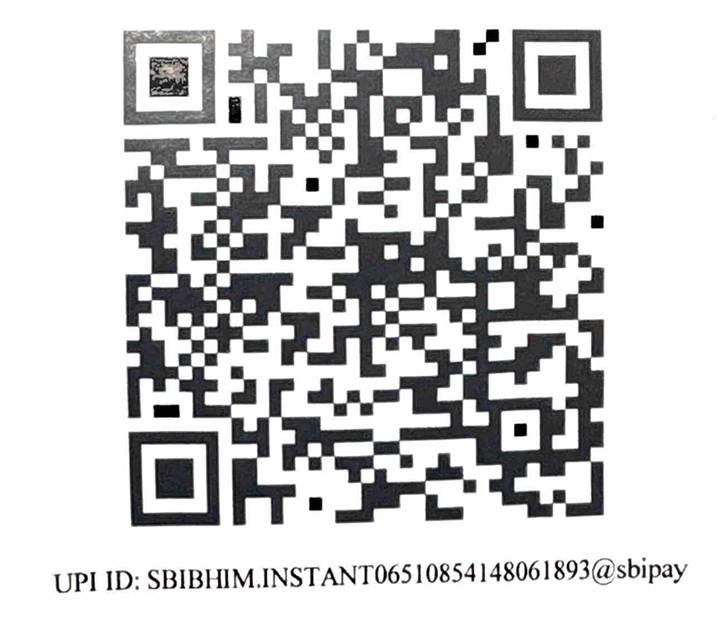
Click to enlarge
Note: After payment, please email the transaction receipt along with the paper ID / registration details to [email protected] for confirmation.
Conference registration and presentation by at least one author is mandatory for including the paper in the conference program and for IEEE Xplore publication. Please complete the registration process on or before the standard deadline. Details on registration fees for different categories (including any early-bird discounts or multi-paper rates) will be available on the official conference website or submission portal once announced. For submission-related queries, refer to the CMT portal.
Key deadlines for ICNGIS 2026 – Third International Conference on Next Generation Intelligent Systems.
All dates are in IST and tentative (as of January 2026). Official confirmations will follow.
Dates subject to change. For the latest updates, please contact us at [email protected]
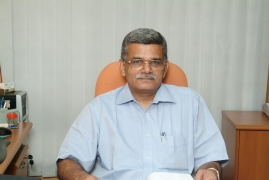
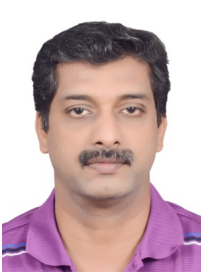
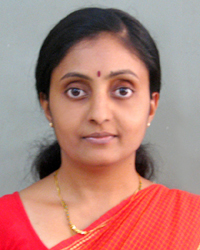
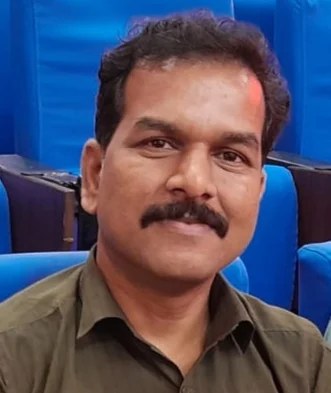
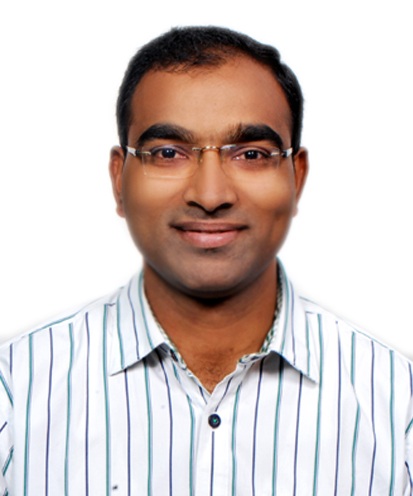
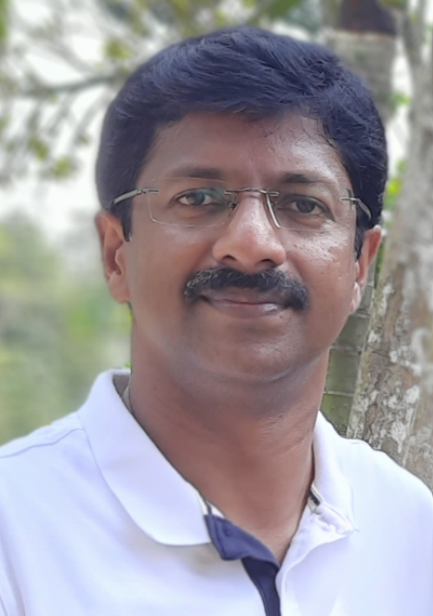
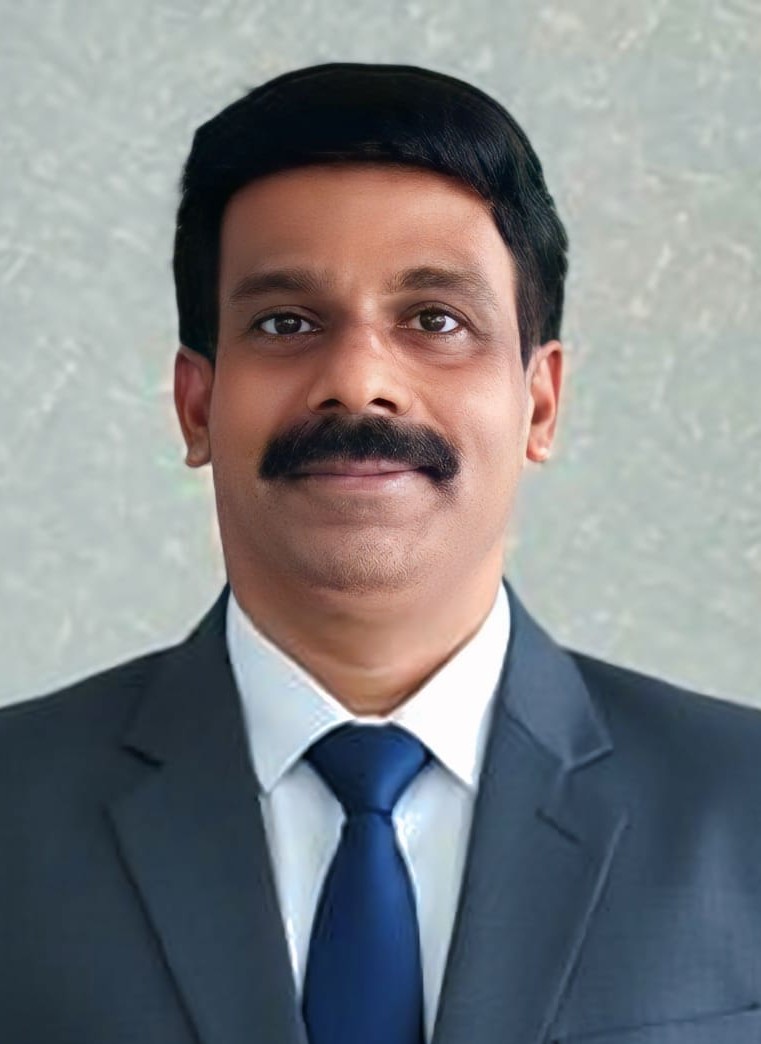
Meet the dedicated team behind the conference at Rajiv Gandhi Institute of Technology, Kottayam





Famous wetland bird sanctuary on Vembanad Lake — excellent for birdwatching, especially migratory birds (best Nov–Mar).
Learn More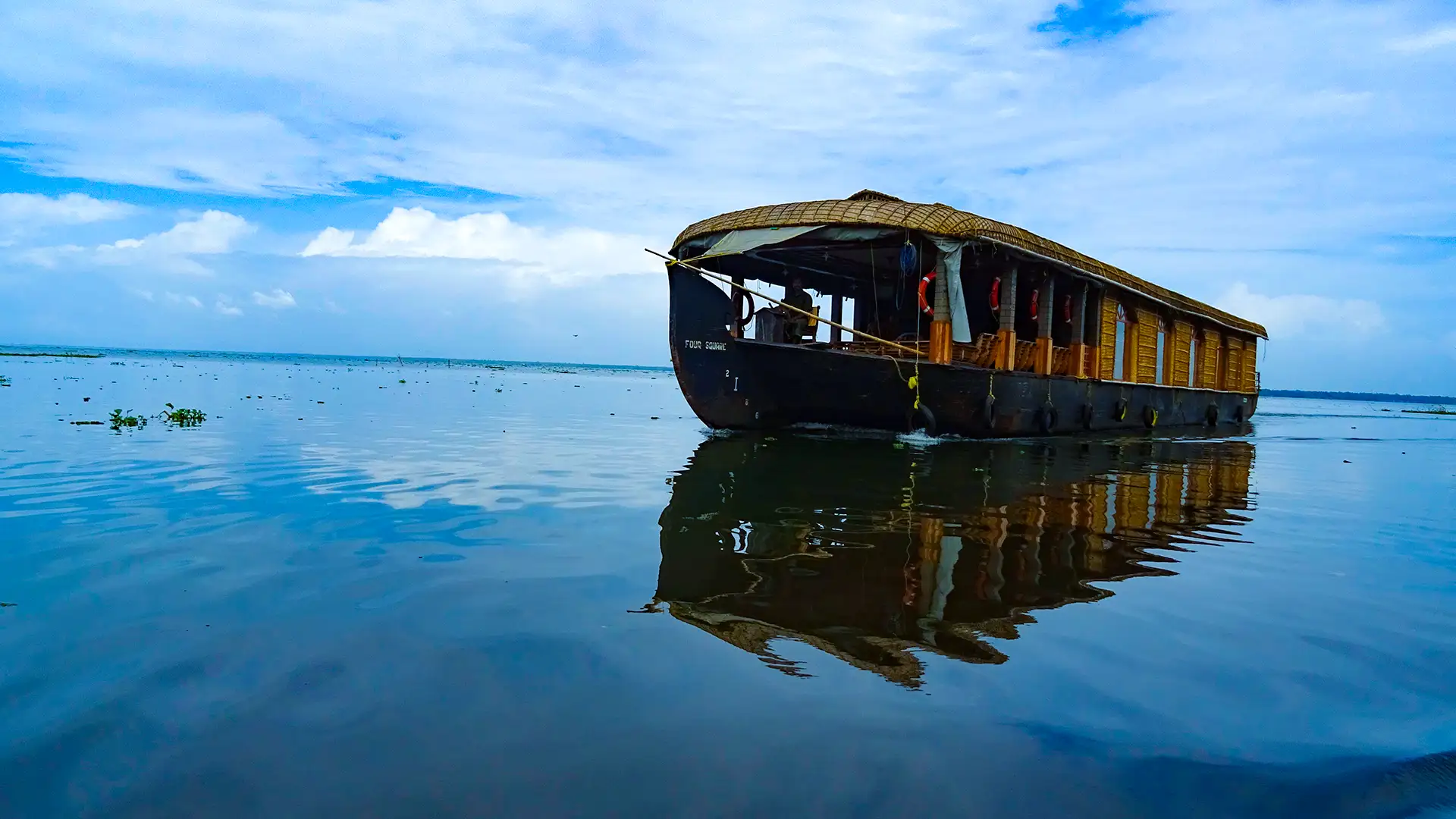 Nature
India’s longest lake offering scenic houseboat cruises, village life views, and Kerala backwater experience.
Learn More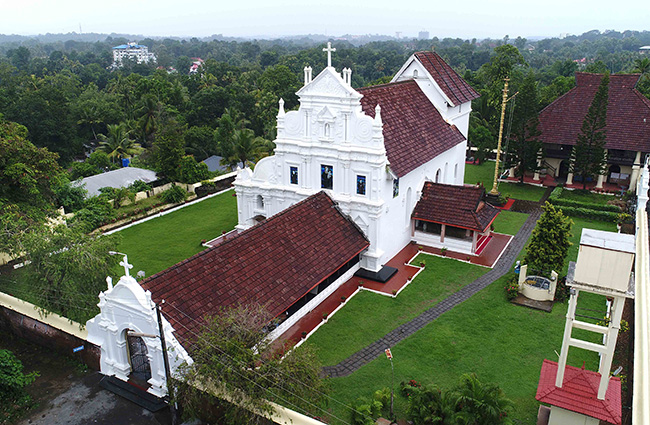 Heritage
Kottayam Cheriapally, is a Malankara Orthodox Syrian Church located in Kottayam, Kerala, India. Cheriapally meaning 'small church', whose appearance contradicts its name, is one of the oldest and well-preserved churches in the state.
Learn More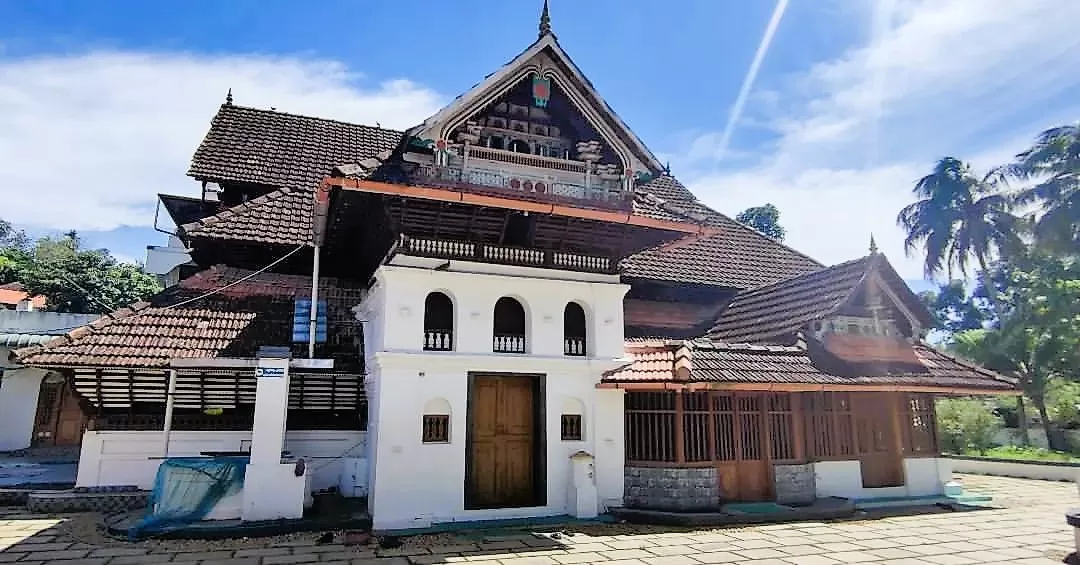 Heritage
One of the oldest mosques in India with beautiful traditional Kerala architecture and historical importance.
Learn More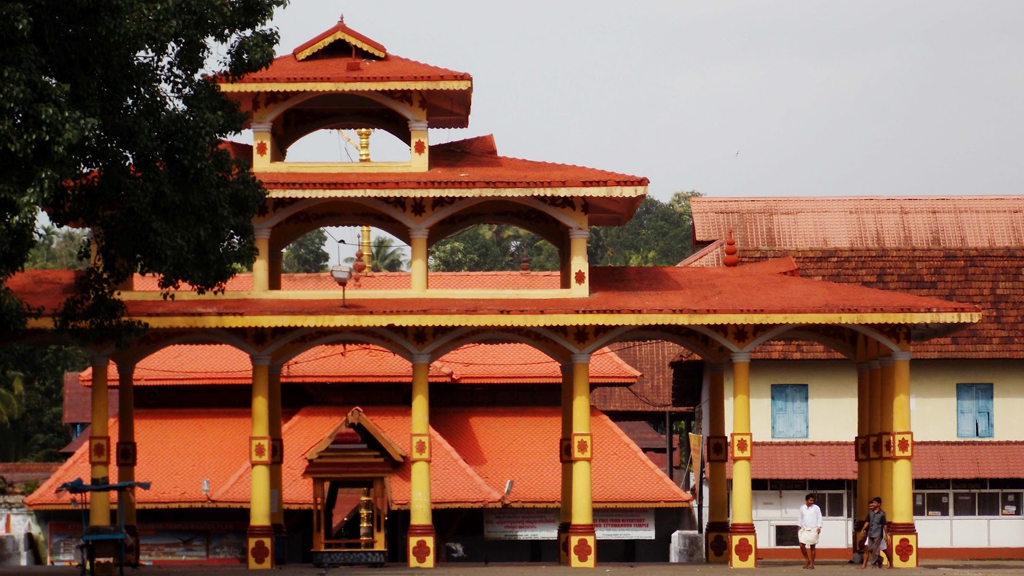 Heritage
Ancient Shiva temple famous for its exquisite wood carvings, murals, and classic Kerala architecture.
Learn More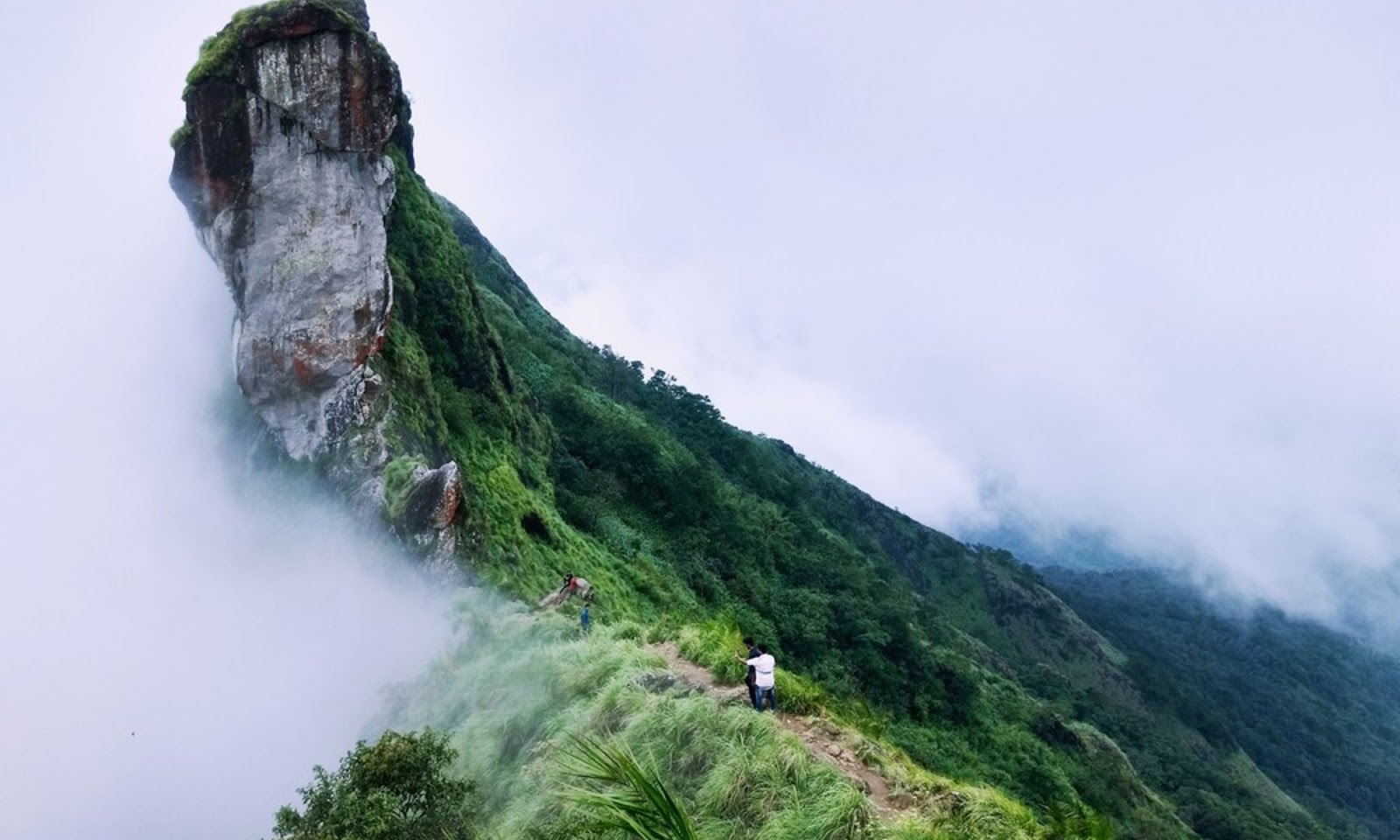 Adventure
Unique rock formation at 6000 ft with panoramic views — popular for short treks and stunning valley scenery.
Learn More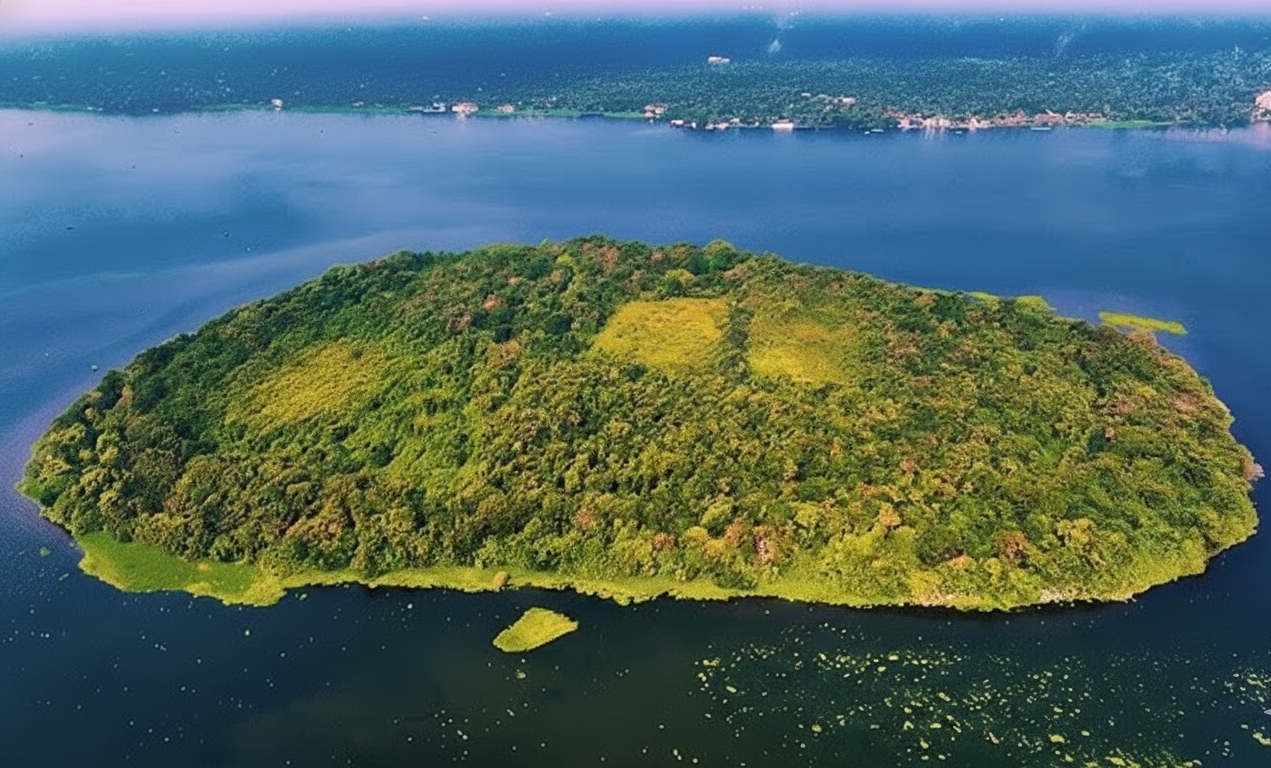 Nature
Mystical island in Vembanad Lake — paradise for birds and nature lovers, accessible by boat.
Learn More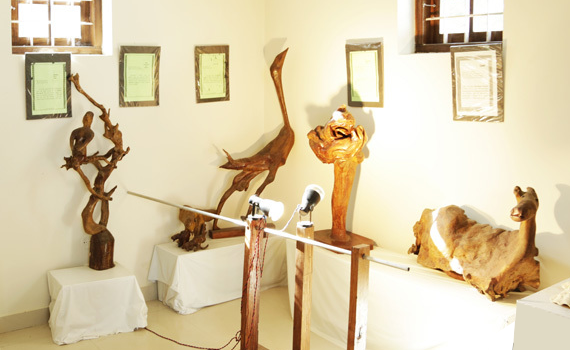 Art
Art
a unique gallery showcasing a vast collection of natural driftwood sculptures recovered from the shores of the Andaman and Nicobar Islands.
Learn More
Rajiv Gandhi Institute of Technology
Velloor P.O., Pampady
Kottayam - 686501, Kerala, India
[email protected]
(General inquiries)
[email protected]
(For ICNGIS / events)
Office: 0481-2507763